
We’ve all done it—that tiny twinge in a back tooth that we decide to ignore, or the pink on our toothbrush that we dismiss as a one-time thing. It’s easy to put off a dental visit, hoping the problem will just go away. But your body often sends clear signals when something isn’t right. Ignoring them can turn a minor, easy-to-fix issue into a painful and expensive one.
If you’ve been wondering whether it’s time to find a dental clinic near you, this guide is your answer. We’ll break down the top five warning signs that demand professional attention. More importantly, we’ll walk you through how to choose a clinic where you’ll receive compassionate, high-quality care, turning a moment of worry into a positive step for your health.
Contents
- 1 Sign #1: Persistent Tooth Pain or Sensitivity
- 2 Sign #2: Bleeding, Swollen, or Tender Gums
- 3 Sign #3: Chronic Bad Breath (Halitosis)
- 4 Sign #4: Sores, Lumps, or Patches in Your Mouth
- 5 Sign #5: You Simply Can’t Remember Your Last Visit
- 6 Okay, I Need a Visit. How Do I Choose a Dental Clinic Near Me?
- 7 Don’t Wait for the Alarm to Get Louder
Sign #1: Persistent Tooth Pain or Sensitivity
This is the most classic and urgent sign. Tooth pain is not normal, and it’s your body’s primary alarm system. It can manifest in several ways:
- A dull, persistent ache: This could signal anything from a deep cavity approaching the nerve to an infection or an impacted wisdom tooth.
- Sharp, shooting pain when biting down: This often points to a cracked tooth, a loose filling, or significant decay.
- Lingering sensitivity to hot or cold: If the sensitivity lasts for more than a few seconds after the food or drink is gone, it may indicate worn-down enamel or a nerve issue.
What to do: Don’t just mask the pain with painkillers. This is a clear signal to book an appointment. A dentist can diagnose the root cause with an exam and X-rays and provide the right treatment to prevent a painful dental emergency down the line.
Sign #2: Bleeding, Swollen, or Tender Gums
Many people believe it’s normal for their gums to bleed a little when they brush or floss. It’s not. Healthy gums should not bleed. If you notice puffiness, redness, or tenderness, you are likely seeing the early signs of gum disease (gingivitis).
Gingivitis is caused by a buildup of plaque along the gumline. If left untreated, it can progress to periodontitis, a much more serious infection that attacks the bone supporting your teeth, potentially leading to tooth loss.
What to do: If your gums are bleeding, it’s a sign you need a professional cleaning and an oral health evaluation. A hygienist can remove the plaque and tartar buildup that you can’t reach at home, and a dentist can assess the health of your gums and recommend a course of action.
Sign #3: Chronic Bad Breath (Halitosis)
Everyone gets “morning breath” or has bad breath after a garlicky meal. But if you find that you have persistent bad breath that doesn’t go away even after brushing and flossing, it’s often a sign of an underlying issue.
Chronic bad breath can be caused by:
- Untreated cavities (food particles and bacteria get trapped).
- Gum disease.
- Dry mouth (saliva helps wash away bacteria).
- Infections in the mouth, nose, or throat.
What to do: While mints and mouthwash can cover up the odor temporarily, they don’t solve the problem. A visit to your dental clinic can help identify the source, whether it’s a need for a deep cleaning, a filling, or treatment for gum disease.
Sign #4: Sores, Lumps, or Patches in Your Mouth
Your mouth is a window into your overall health. Any unusual changes should be taken seriously. Be on the lookout for:
- Sores or ulcers that don’t heal within two weeks.
- White or reddish patches on your gums, tongue, or the inside of your cheeks.
- Unexplained lumps or thickening of the soft tissue in your mouth.
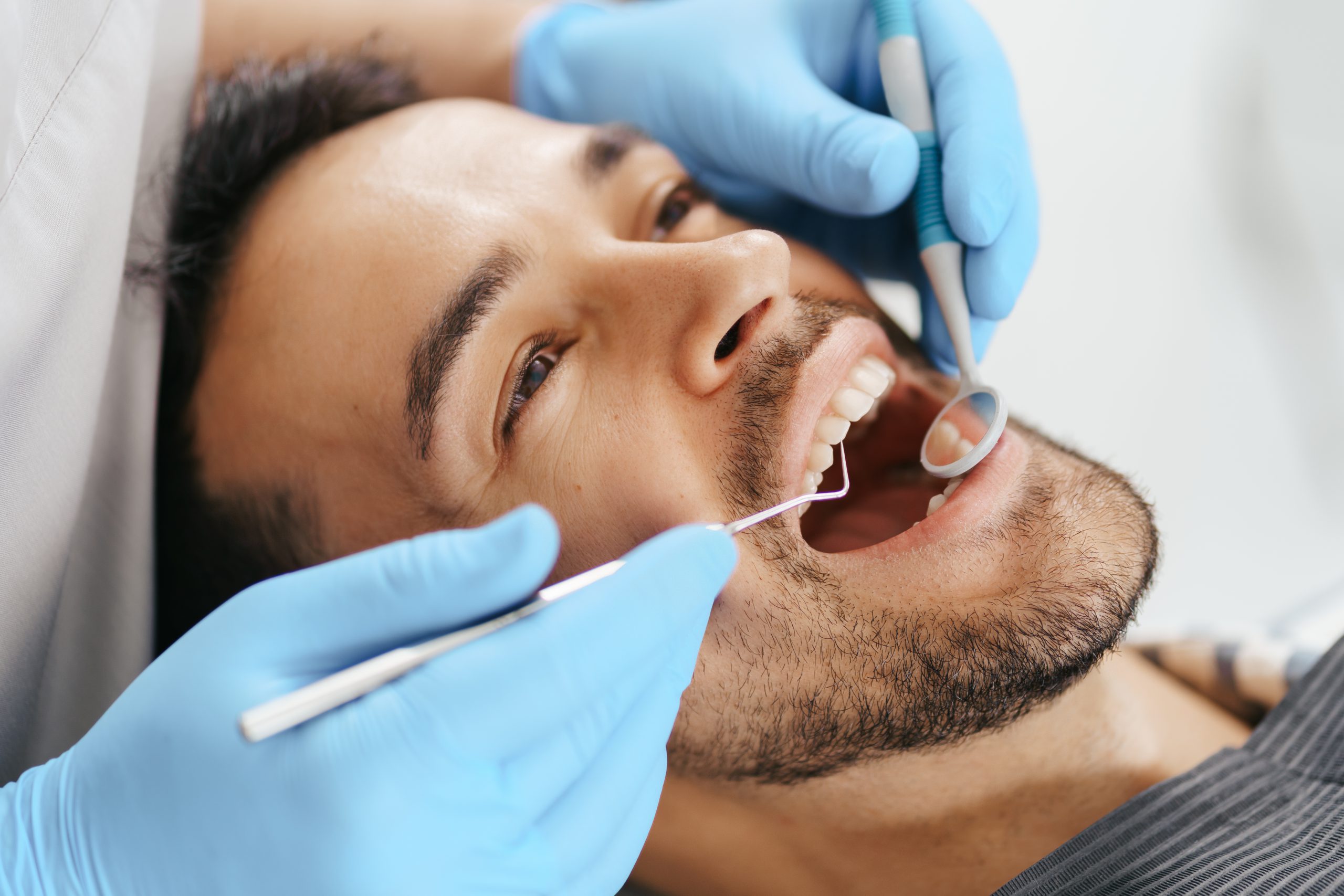
While most of these are harmless, they can sometimes be early signs of oral cancer. Early detection is absolutely critical for successful treatment.
What to do: If you notice any of these changes, see a dentist immediately for an oral cancer screening. It’s a quick, painless, and potentially life-saving examination.
Sign #5: You Simply Can’t Remember Your Last Visit
This sign isn’t a painful symptom, but it’s just as important. Preventive care is the cornerstone of lifelong oral health. If it has been more than a year since your last check-up and cleaning, you are overdue.
Regular visits allow a dentist to:
- Remove hardened plaque (tartar) that you can’t remove at home.
- Catch cavities when they are small and easy to fix.
- Screen for early signs of gum disease and oral cancer.
- Check the condition of old fillings and crowns.
What to do: Don’t wait for a problem to arise. Proactive care is always less painful, less invasive, and less expensive than reactive treatment. If you can’t remember your last visit, today is the perfect day to book one.
Okay, I Need a Visit. How Do I Choose a Dental Clinic Near Me?
Recognizing the signs is the first step. The next is finding the right professional. When you search for a dental clinic near you, here’s a quick guide to making a confident choice:
- Look for Comprehensive Services: Find a clinic that can handle most of your needs under one roof—from cleanings and fillings to cosmetic work and emergencies. This ensures continuity of care. You can review our wide range of dental services here.
- Read Patient Reviews: See what other people are saying. Look for comments about a gentle touch, clear communication, and a friendly staff. This gives you insight into the patient experience.
- Check for Modern Technology: Does the clinic use digital X-rays and intraoral cameras? Modern equipment often leads to more comfortable and accurate care.
- Inquire About Emergency Care: If you’re in pain, you need to know the clinic can see you promptly. Ask about their policy for handling dental emergencies.
- Schedule a Consultation: The best way to know if a clinic is a good fit is to visit. You should feel welcomed, respected, and listened to.
Expert Insight from Dr. Douiri Khaoula: “Patients often come to us feeling anxious because they’ve ignored a problem for too long. My first job is to listen without judgment. We’re not here to lecture you; we’re here to help. Finding a dentist who makes you feel safe and heard is just as important as their clinical skill.”
Don’t Wait for the Alarm to Get Louder
Your oral health is directly linked to your overall health. The signs listed above are your body’s way of asking for help. Listening to them and acting quickly is one of a an important act of self-care you can perform.
Choose to be proactive. Choose a dental partner you can trust. Your smile will thank you for it.
If you’ve noticed any of these signs and are in the Tetouan area, don’t hesitate. Schedule your appointment at Royal Dental Clinic today and let us put your mind at ease.
Was this article helpful? Share it with a loved one or comment below with your questions.