
A bright, confident smile is something many of us desire, but the path to get there can seem confusing. Professional treatments are effective, yet often come with a high price tag. This has made at-home options incredibly popular, and among the most common are dental whitening strips. These convenient, affordable kits promise professional-level results from the comfort of your own bathroom. But do they actually work? More importantly, are they safe?
This guide cuts through the marketing hype to give you the facts. We will explore the science behind how whitening strips work, address crucial safety concerns like tooth sensitivity and enamel health, provide a step-by-step guide for getting the best results, and compare them to other popular whitening methods.
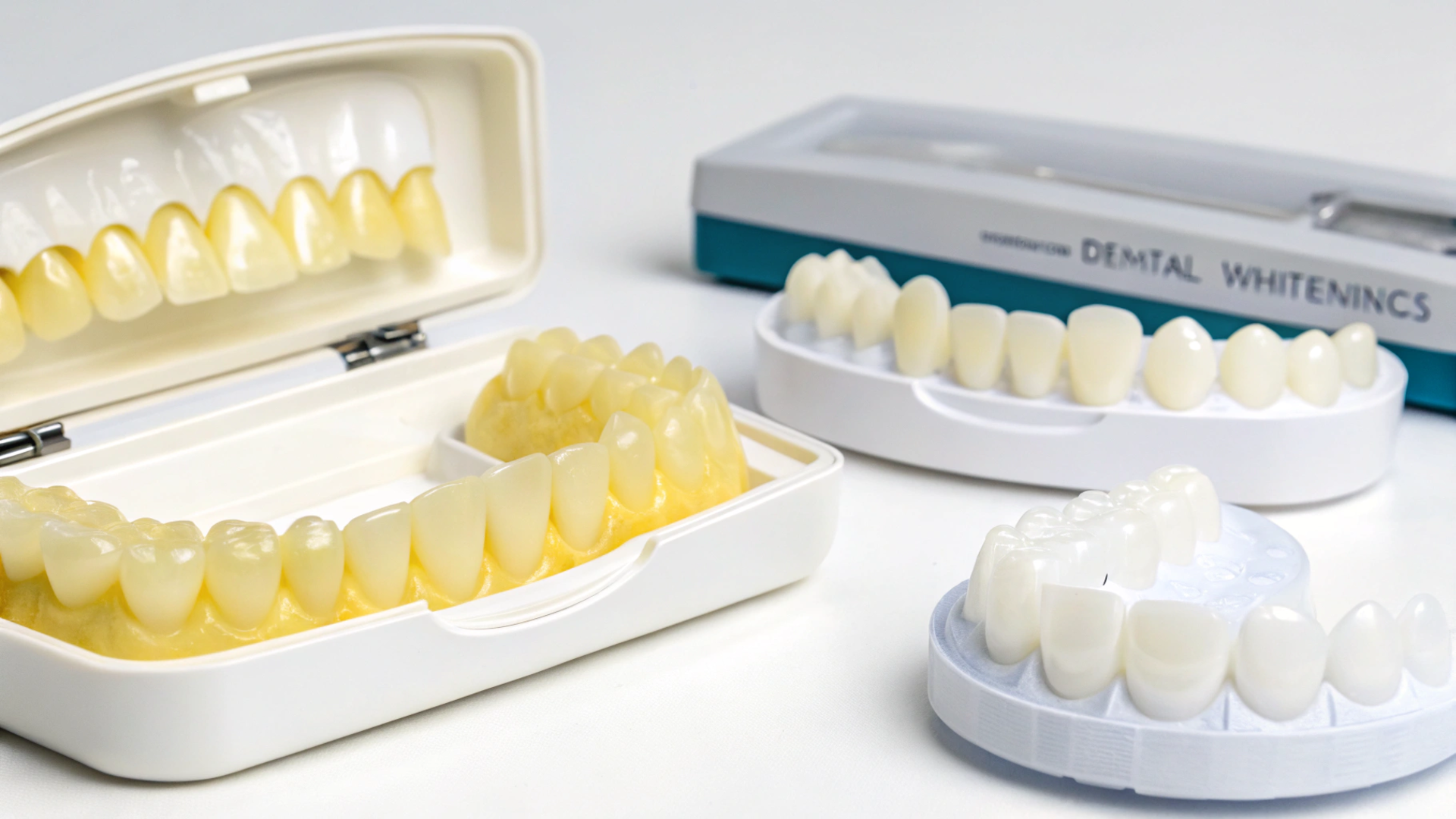
Contents
- 1 How Do Dental Whitening Strips Actually Work?
- 2 Are Dental Whitening Strips Safe for Your Teeth?
- 3 How to Use Whitening Strips for the Best Results: A Step-by-Step Guide
- 4 Whitening Strips vs. Other Options: A Quick Comparison
- 5 Frequently Asked Questions (FAQ)
- 6 The Takeaway: A Smart Choice for a Brighter Smile
How Do Dental Whitening Strips Actually Work?
To understand how whitening strips lighten your teeth, we first need to understand why teeth get stained. There are two main types of stains:
- Extrinsic Stains: These are surface-level stains on your enamel, the hard outer layer of your teeth. They are caused by things like coffee, tea, red wine, and smoking.
- Intrinsic Stains: These stains are deeper, inside the dentin (the layer beneath the enamel). They can be caused by aging, certain medications, or trauma to the tooth.
Dental whitening strips are designed primarily to tackle extrinsic stains. They consist of a thin, flexible plastic strip coated with a whitening gel. The magic behind this gel is its active ingredient, which is almost always a form of peroxide.
- Hydrogen Peroxide or Carbamide Peroxide: These are bleaching agents. When the strip is pressed against your teeth, the peroxide gel comes into contact with your enamel. It seeps into the microscopic pores of the enamel and triggers a chemical reaction called oxidation. This process breaks down the complex molecules that cause stains, making your teeth appear brighter and whiter.
Essentially, the strips hold the bleaching agent in place long enough for it to do its job effectively.
Are Dental Whitening Strips Safe for Your Teeth?
This is the most critical question for anyone considering at-home whitening, and the answer is: yes, generally, when used as directed. Reputable brands have undergone extensive testing and are considered safe for your enamel. The American Dental Association (ADA) even gives its Seal of Acceptance to products that have proven their safety and efficacy.
However, “safe” doesn’t mean “without potential side effects.” Understanding these risks is key to using strips correctly.
Common Side Effects and How to Manage Them:
- Tooth Sensitivity: This is the most common complaint. The peroxide can temporarily increase the porosity of your enamel, exposing the nerve pathways in your dentin. This usually feels like a sharp, brief pain, especially with hot or cold foods.
- How to Manage It: Choose a product designed for sensitive teeth, use a desensitizing toothpaste for a week before and during treatment, and shorten the application time if needed.
- Gum Irritation: If the whitening gel seeps onto your gums, it can cause temporary inflammation, white spots, or a mild burning sensation.
- How to Manage It: Be careful to align the strip only with your teeth, not your gums. You can even trim the strip slightly for a better fit. If irritation occurs, it typically subsides within a day or two.
Expert Insight from Dr. Alami: “The biggest mistake I see patients make is overuse. They think more is better, so they leave strips on for hours or use them every day for a month. This is where you risk significant sensitivity and gum damage. Always follow the package instructions to the letter.”
Who Should Avoid Whitening Strips?
While safe for most, some individuals should consult a dentist first or avoid strips altogether:
- People with untreated cavities, gum disease, or worn enamel.
- Individuals with crowns, veneers, or fillings on their front teeth (the strips won’t whiten these materials, leading to an uneven color).
- Pregnant or nursing mothers.
- Children and teenagers under 16.
If you have any existing dental issues, it’s always best to resolve them before starting a whitening regimen. A quick check-up can save you a lot of pain and ensure whitening is a safe option for you. For a professional opinion, you can always schedule a consultation.
How to Use Whitening Strips for the Best Results: A Step-by-Step Guide
Getting a great result isn’t just about slapping on a strip and hoping for the best. Following a proper routine will maximize effectiveness and minimize side effects.
- Choose the Right Product: Look for brands with the ADA Seal of Acceptance. This confirms the product has been tested and is safe and effective. Consider a lower peroxide concentration if you have sensitive teeth.
- Prep Your Teeth: Don’t brush your teeth immediately before applying the strips, as this can open up the pores in your enamel and increase sensitivity. Instead, gently brush about 30 minutes prior and make sure your teeth are dry right before application—blotting them with a clean tissue helps the strips adhere better.
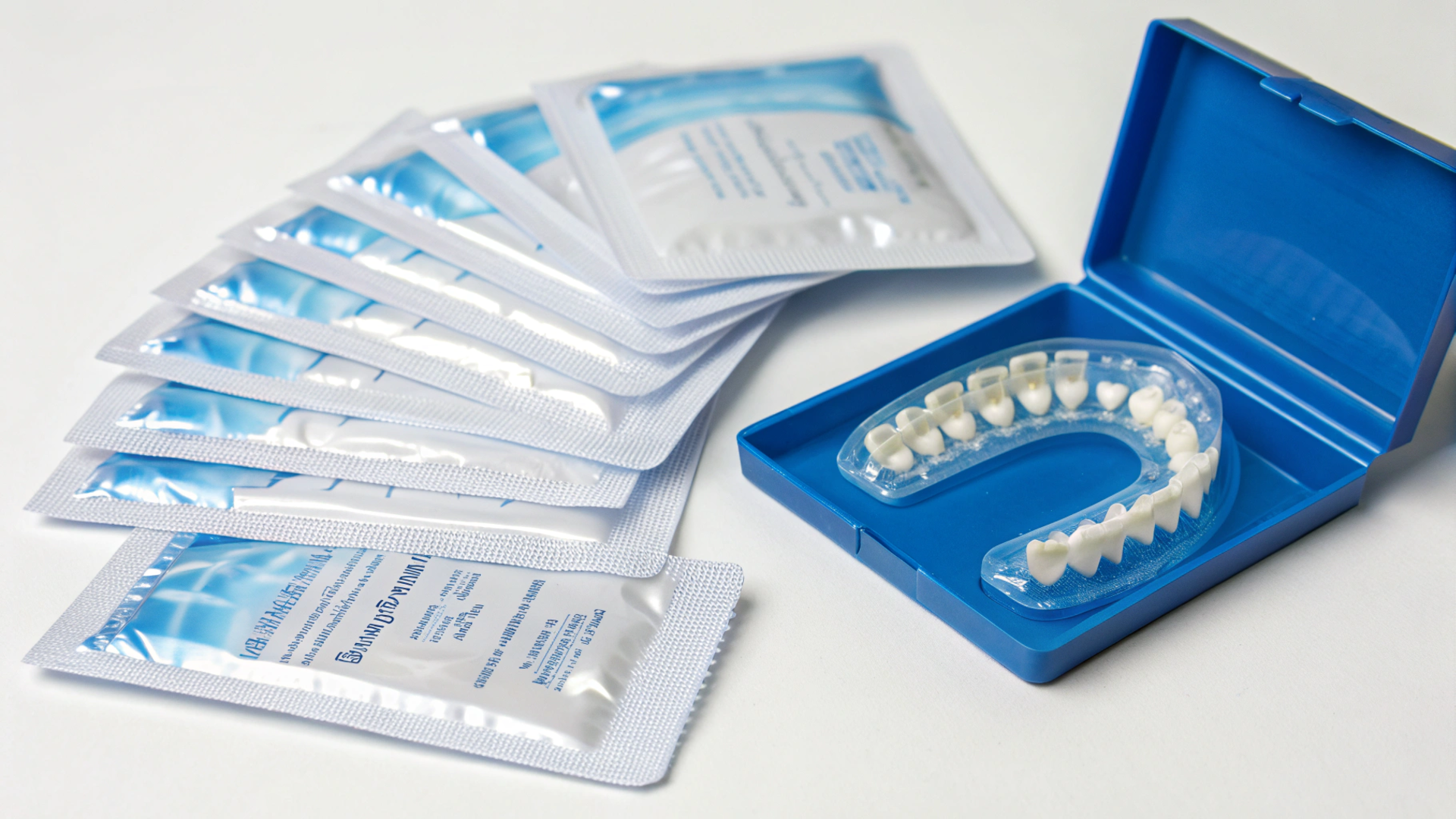
- Apply the Strips Carefully: Peel the strip from its backing. Apply the gel side to your teeth, aligning it with your gum line. Press gently to ensure good contact with the entire tooth surface. Fold the excess strip material behind your teeth to hold it in place.
- Time It Perfectly: This is crucial. Follow the recommended time on the package, which is typically 30 minutes. Do not leave them on longer, thinking it will speed up results. It won’t—it will only increase your risk of sensitivity. Set a timer!
- Remove and Rinse: After the time is up, peel off the strips and discard them. Rinse your mouth with water or gently brush your teeth to remove any residual gel.
Pro-Tips for a Dazzling Smile:
- Avoid Stains: For an hour after whitening, and throughout your treatment period, try to avoid common stain-culprits like coffee, tea, red wine, and dark berries. Your enamel is more porous right after whitening and can re-stain easily.
- Consistency is Key: Use the strips consistently for the entire recommended treatment period (e.g., 14 days) to see the full effect.
- Manage Expectations: Whitening strips can lighten teeth by several shades, but they won’t give you a fluorescent, “Hollywood” white. The results depend on your starting shade and the cause of your stains.
Whitening Strips vs. Other Options: A Quick Comparison
How do dental whitening strips stack up against other methods? Here’s a brief overview.
| Method | Cost | Speed of Results | Effectiveness | Best For |
| Dental Whitening Strips | $ | Gradual (1–2 weeks) | Moderate | Mild to moderate surface stains; convenience. |
| Professional In-Office | |
Immediate (1 hour) | High | Significant stains; fast, dramatic results. |
| Custom Take-Home Trays | |
Gradual (1–2 weeks) | High | Deeper stains; professional results at home. |
| Whitening Toothpaste | $ | Very Slow (months) | Low | Maintaining whiteness; removing daily surface stains. |
While strips are a fantastic middle-ground, for deeper stains or faster, more dramatic results, professional options are superior. A dentist can use a higher concentration of whitening agent safely and can create custom trays that ensure even, full coverage. To learn more about these services, explore our cosmetic dentistry options.
Frequently Asked Questions (FAQ)
1. How long do results from whitening strips last?
Results typically last from 6 to 12 months, depending heavily on your diet and habits. If you drink a lot of coffee or smoke, the results will fade faster.
2. Can I use whitening strips if I have fillings, crowns, or veneers?
You can, but be aware that the strips will not whiten these dental restorations. This can result in a mismatched, uneven smile where your natural teeth are lighter than your dental work.
3. What’s the difference between hydrogen peroxide and carbamide peroxide?
Hydrogen peroxide is the active whitening agent. Carbamide peroxide is a more stable compound that breaks down into hydrogen peroxide and urea. A product with 10% carbamide peroxide is roughly equivalent to one with 3.5% hydrogen peroxide. Both are effective.
4. How often can I use dental whitening strips?
Follow the product’s directions. Most full treatments should only be done once or twice a year. Overusing them can lead to chronic sensitivity and enamel damage.
The Takeaway: A Smart Choice for a Brighter Smile
For most people, dental whitening strips are a safe, effective, and affordable way to erase common stains and achieve a noticeably brighter smile. Their success hinges on using them correctly, managing expectations, and choosing a reputable brand.
Always prioritize the health of your teeth. If you have sensitive teeth, pre-existing dental work, or any concerns, a conversation with your dentist is the best first step. They can help you choose the right path to the confident, radiant smile you deserve.